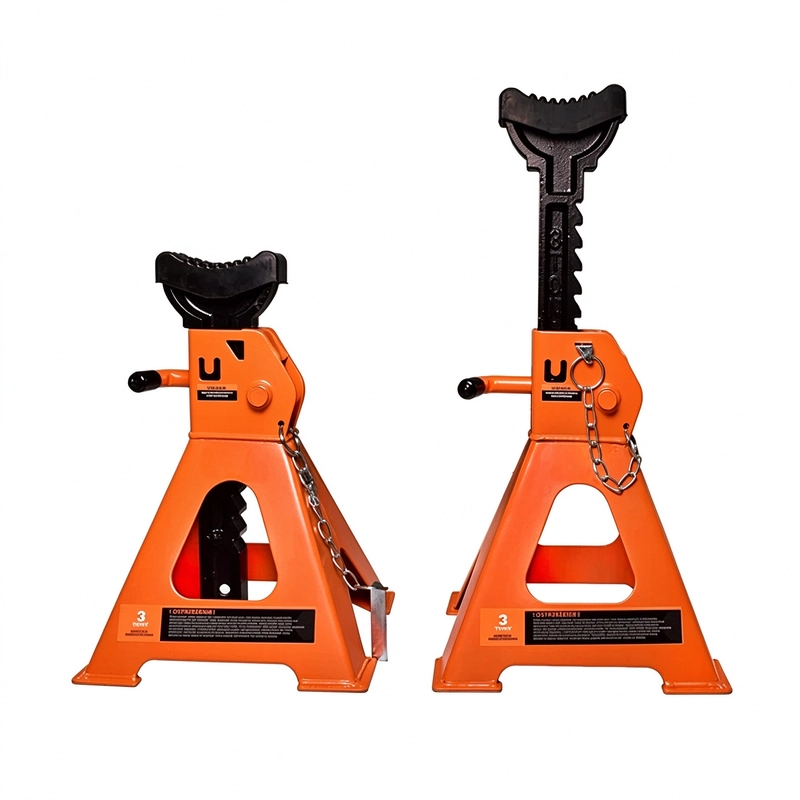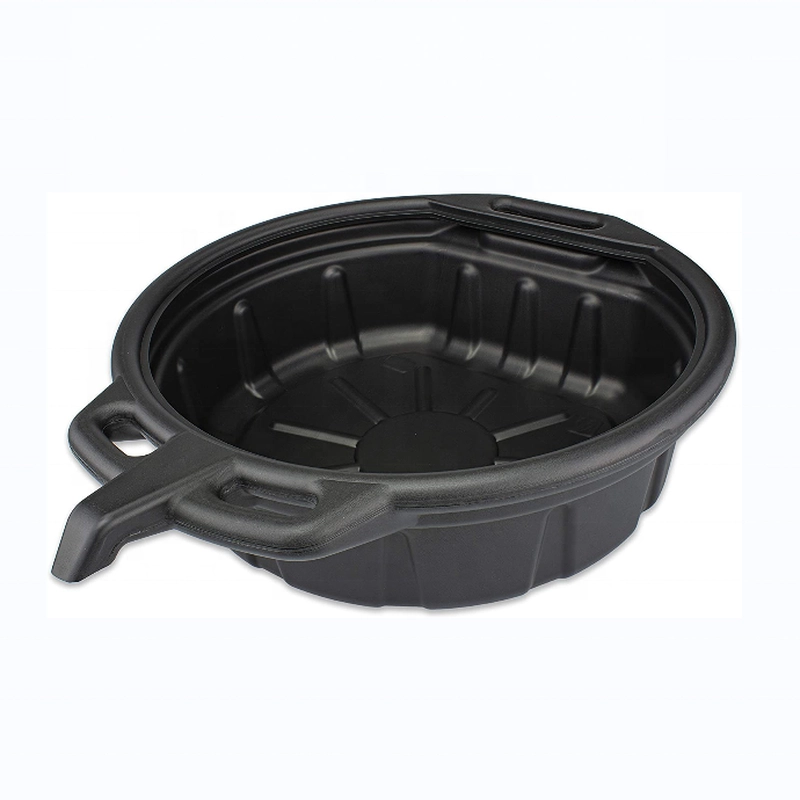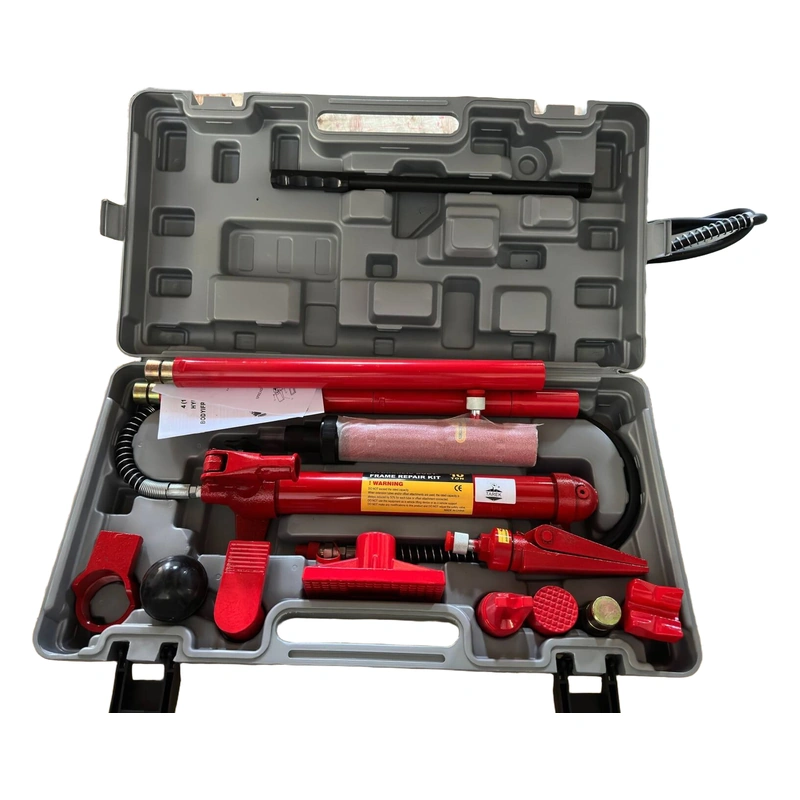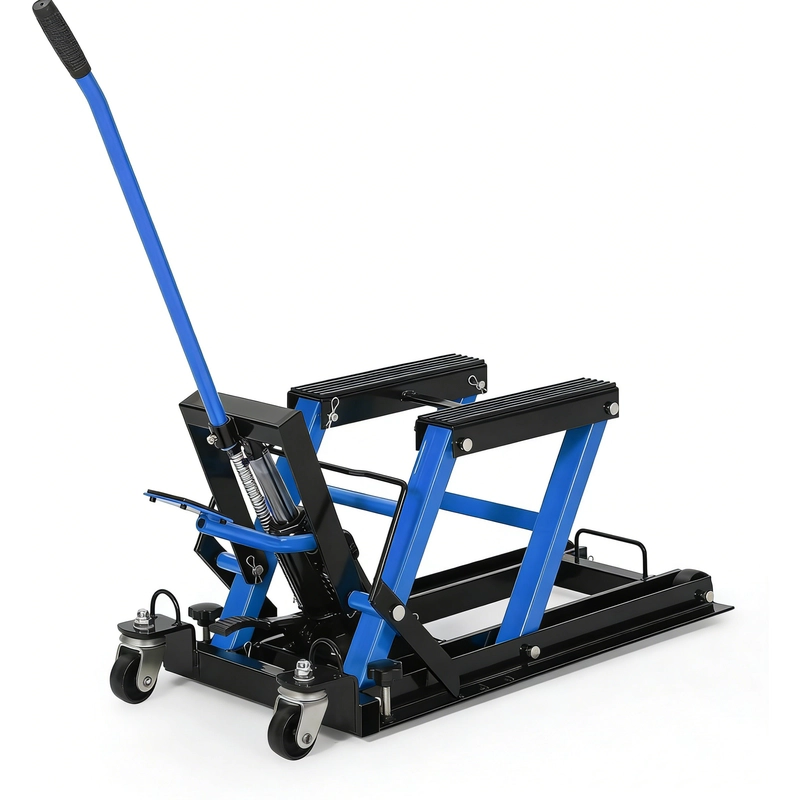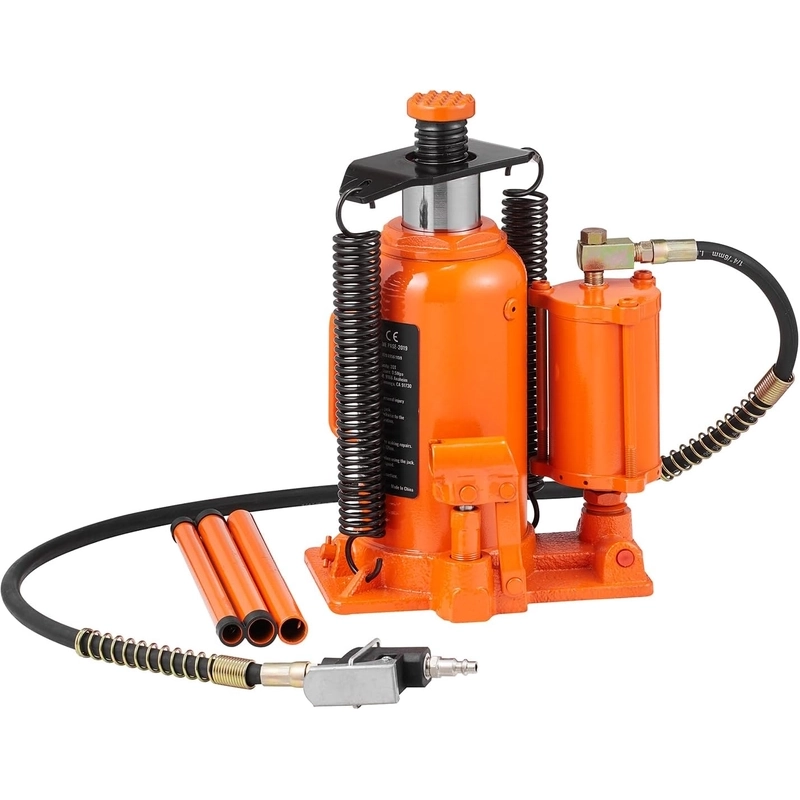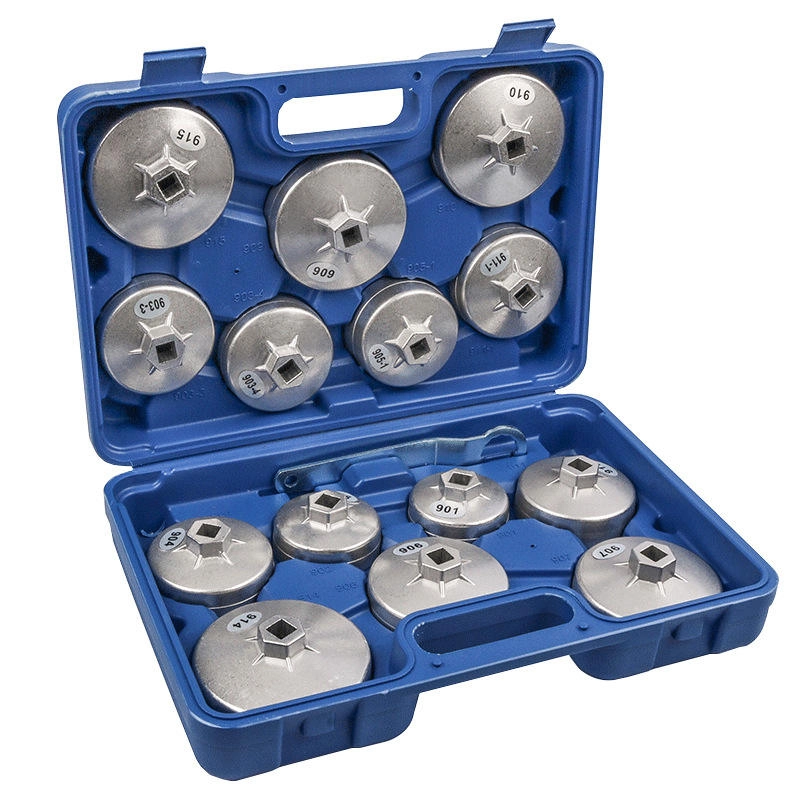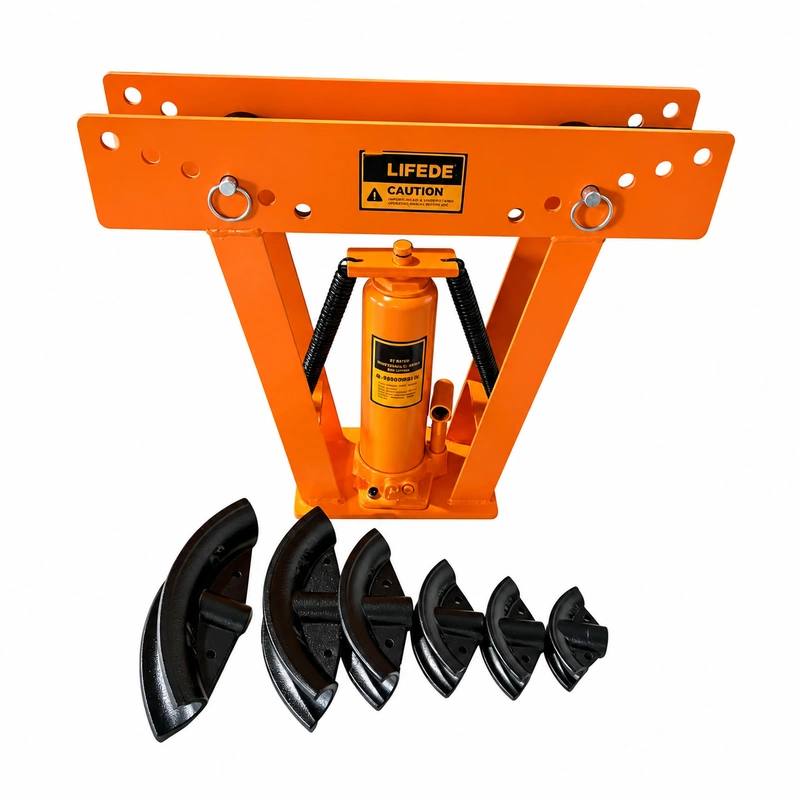
Professional technicians depend on equipment that fits accurately, withstands repeated use, and provides dependable control during repair and maintenance. From sockets and ratchets to wrenches, workshop vises, and specialized automotive equipment, selecting appropriate tools directly influences work quality and operational efficiency. Material properties, ergonomic design, dimensional accuracy, surface protection, and maintenance practices all contribute to reliable performance. Understanding these factors helps mechanics, maintenance teams, distributors, and professional buyers assemble suitable tool ranges for everyday workshop requirements.
Abstract
Professional hand tools and workshop equipment are essential to automotive servicing, industrial maintenance, machinery assembly, and general repair operations. Their performance depends on the interaction between steel grade, heat treatment, manufacturing accuracy, surface finishing, mechanical design, and correct use. This guide explores common workshop tool categories, the differences between chrome vanadium and chrome molybdenum steels, socket and wrench selection, torque control, corrosion resistance, ergonomic design, inspection, and maintenance. It also examines specialized equipment such as bench vises, oil filter wrenches, torque multipliers, and material-handling accessories. Technical comparison tables, a structured purchasing workflow, and detailed questions provide practical guidance for selecting reliable workshop equipment and supporting consistent professional operations.
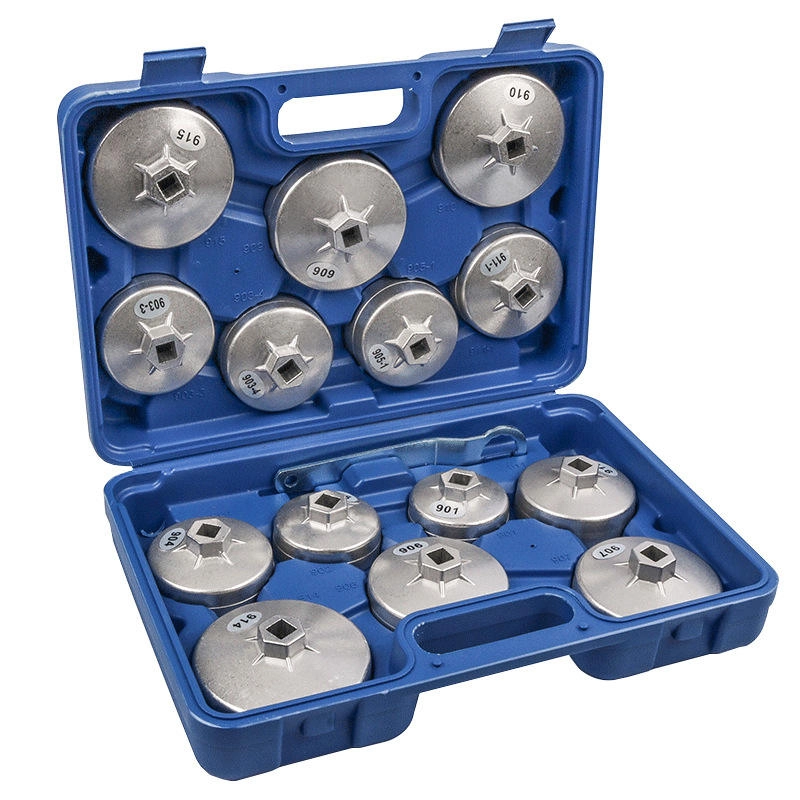
1. Why Are Reliable Workshop Tools Essential?
Workshop equipment forms the practical connection between a technician and the component being repaired, adjusted, or assembled. A correctly selected tool can help transmit force accurately while protecting fasteners, workpieces, and surrounding equipment.
In automotive servicing, technicians may repeatedly remove and install bolts, nuts, panels, filters, and mechanical assemblies. Industrial maintenance introduces additional requirements involving machinery access, repetitive loading, corrosion exposure, and work in restricted spaces.
1.1. The Relationship Between Tool Fit and Work Quality
A socket or wrench must engage its intended fastener correctly. Poor dimensional fit can concentrate force on smaller contact areas, increasing the possibility of slipping or damaging the fastener.
Proper engagement depends on the selected size, contact geometry, manufacturing tolerances, and condition of both tool and fastener. Using a tool that appears nearly correct is not an acceptable substitute for identifying the specified size.
1.2. Durability Under Repeated Use
Professional tools experience repeated mechanical loading. Their ability to resist wear and permanent deformation depends on material properties, geometry, heat treatment, and manufacturing quality.
A tool may perform well during one operation but still require additional evaluation for repeated service. Fatigue, surface wear, corrosion, and mechanical impact can affect long-term condition.
1.3. Core Tool Selection Principles
- Correct application: Match the tool to the workpiece and intended operation.
- Proper dimensions: Select the specified fastener size or mechanical interface.
- Adequate strength: Use equipment with suitable load and torque characteristics.
- Ergonomic handling: Consider grip shape, reach, balance, and working position.
- Suitable environment: Review moisture, chemical exposure, and workshop conditions.
- Safe operating practices: Follow product instructions and applicable workplace procedures.
Reliable workshop performance comes from combining these principles rather than relying on one impressive material or product feature.
2. What Types of Hand and Workshop Tools Are Available?
A complete maintenance environment uses different tool categories for fastening, gripping, cutting, holding, lifting-related support, and specialized service operations.
Our Hardware Tools range includes practical solutions for automotive repair shops, industrial maintenance teams, professional distributors, and general workshops. Selecting a coordinated assortment helps technicians address different service tasks without depending on unsuitable substitutes.
Sockets and Ratchet Wrenches
Socket systems provide interchangeable fastener engagement and controlled turning through compatible ratchets and extensions.
Combination and Adjustable Wrenches
Wrenches provide mechanical leverage for suitable nuts and bolts, including applications with limited working space.
Pliers and Screwdrivers
Gripping, positioning, and screwdriving tools support everyday assembly and repair tasks across numerous industries.
Workshop Holding Equipment
Bench vises, workholding devices, and related equipment help secure components during appropriate fabrication and repair procedures.
Specialized Automotive Tools
Oil filter wrenches, torque multipliers, breaker bars, and related tools address tasks requiring particular mechanical interfaces.
Workshop Accessories
Toolboxes, storage systems, caster wheels, and selected material-handling products support organized maintenance operations.
2.1. Why Specialized Tools Matter
Certain operations cannot be performed reliably with general-purpose equipment. For example, an oil filter wrench is designed to engage a particular filter geometry, while a torque wrench provides controlled fastening according to a specified setting.
Selecting the appropriate tool helps reduce unnecessary force, improves access, and supports the intended repair procedure.
2.2. Building a Balanced Workshop Inventory
A practical assortment should cover frequently encountered operations while including the specialized equipment required by the workshop's actual service activities.
Automotive service centers, industrial maintenance departments, and mechanical assembly facilities may need different combinations of tools even when their basic fastening requirements overlap.
3. How Do Steel Grades and Heat Treatment Affect Durability?
Tool steel selection influences hardness, toughness, wear resistance, and response to repeated mechanical loading. Different materials are used because various workshop operations create different stress conditions.
3.1. Chrome Vanadium Steel
Chrome vanadium steel, commonly abbreviated as Cr-V, is widely used in many hand tools. Suitable formulations can provide a useful balance of strength, toughness, and manufacturing performance.
Sockets, wrenches, and other hand-operated tools may use Cr-V materials, but the exact grade, heat treatment, and finished geometry determine their performance.
3.2. Chrome Molybdenum Steel
Chrome molybdenum steel, often identified as Cr-Mo, is used in selected high-load and impact-related tooling applications. Its suitability depends on the exact alloy and processing conditions.
Impact-rated sockets are typically engineered differently from standard chrome hand sockets. They should be selected according to their intended drive system rather than simply by matching dimensions.
3.3. Why Heat Treatment Matters
Heat treatment changes the internal structure and mechanical properties of suitable steel alloys. Controlled processes help establish a balance between resistance to deformation and toughness.
Excessive hardness may contribute to brittle behavior under certain loads, while insufficient hardness can allow faster wear or permanent deformation.
| Material or Property | Typical Role | Selection Consideration |
|---|---|---|
| Chrome vanadium steel | General hand-tool construction | Tool geometry and heat treatment |
| Chrome molybdenum steel | Selected impact and heavy-duty applications | Impact rating and intended loading |
| Hardness | Resistance to indentation and wear | Correct balance with toughness |
| Toughness | Ability to absorb energy before fracture | Impact and overload behavior |
| Surface finish | Protection and appearance | Corrosion exposure and handling |
Material designations are useful starting points, but they do not replace product-specific testing and correct operating practices.
4. How Should Mechanics Select Sockets and Wrenches?
Sockets and wrenches are among the most frequently used tools in vehicle repair and machinery maintenance. Their correct selection helps prevent fastener damage while improving control and access.
Within our Hardware Tools collection, socket systems, ratchets, extension components, and specialized wrenches address different fastening environments. The correct choice depends on fastener size, drive type, required force, and available working space.
4.1. Six-Point and Twelve-Point Sockets
Six-point sockets engage a hexagonal fastener with six main contact positions. They are often useful where secure engagement and resistance to fastener rounding are important.
Twelve-point sockets provide additional engagement positions and may be convenient in restricted spaces, but suitability depends on the fastener geometry and the loading involved.
4.2. Drive Size and Compatibility
Common socket drive sizes include 1/4 inch, 3/8 inch, and 1/2 inch, with larger sizes used for suitable heavy-duty applications.
Drive size should be selected with the fastener, available access, and intended torque in mind. Adapters and extensions can introduce additional loading considerations.
4.3. Ratchet Mechanisms
Ratchet mechanisms permit repeated turning without removing the socket from the fastener. Tooth count influences the minimum handle movement required before the mechanism engages the next position.
For example, a 72-tooth ratchet has a theoretical five-degree tooth spacing. Actual engagement behavior and strength depend on its internal design.
4.4. Adjustable Wrench Selection
Adjustable wrenches provide a variable jaw opening. Correct adjustment is important because excessive clearance can reduce contact quality and increase the risk of slipping.
A properly sized fixed wrench or socket is often preferable where high torque or consistent fastener engagement is required.
Practical safety principle: Never assume that a chrome hand socket is suitable for a powered impact wrench. Use sockets and accessories specifically rated for the relevant impact application.
5. What Matters in Torque Control and Fastener Protection?
Torque is the rotational effect of an applied force around an axis. It is commonly expressed in newton-meters or other specified units.
Many automotive and industrial fasteners require controlled installation torque. Applying excessive torque may damage threads or components, while insufficient torque can contribute to loosening or inadequate clamping.
5.1. Torque Wrenches
Torque wrenches are designed to apply or indicate torque according to the tool's operating method. Click-type, beam-type, and electronic configurations have different handling and calibration requirements.
The correct torque value must come from the equipment or fastener manufacturer. A tool's accuracy specification is not a replacement for identifying the correct installation procedure.
5.2. Torque Multipliers
Torque multipliers use mechanical gearing to increase output torque relative to an applied input, subject to efficiency losses and the product's specified operating conditions.
They may be used for selected heavy-vehicle wheel fasteners and industrial maintenance operations. Reaction points, tool alignment, and load limits must be handled according to the product instructions.
5.3. Breaker Bars
Breaker bars provide leverage for loosening suitable fasteners. They are distinct from torque-measuring devices and should not be treated as calibrated torque tools.
Excessive leverage, improvised extension pipes, and unsuitable body positioning can create serious injury or equipment damage risks.
5.4. Understanding the Torque Relationship
Basic mechanical relationship: Torque equals the perpendicular component of applied force multiplied by the effective lever arm. An idealized perpendicular force of 100 N applied 0.3 m from the rotation axis produces 30 N·m of torque.
Real-world fastening involves friction and joint characteristics. Applying a particular torque does not guarantee identical bolt tension in every installation.
6. How Does Tool Design Influence Comfort and Control?
Tool ergonomics concerns the relationship between the user, the equipment, and the working environment. Handle shape, grip texture, balance, reach, and operating forces can influence how effectively a technician performs a task.
6.1. Grip Geometry
A suitable handle helps maintain control while reducing unnecessary pressure concentration. Different tasks require different grip patterns, from palm-oriented ratchet handles to precision screwdriver grips.
Tool design should consider the user's hand position, required force, and direction of movement.
6.2. Grip Materials
Thermoplastic rubber and other grip materials may be used to improve surface texture and handling. However, grip performance depends on the material formulation and its exposure to oils, cleaning products, or moisture.
Chemical resistance should be evaluated when tools are intended for demanding automotive service environments.
6.3. Access in Confined Areas
Engine compartments and machinery housings can restrict tool movement. Ratchets with smaller engagement angles, flexible-head wrenches, and appropriate extensions may help reach otherwise difficult fasteners.
These features should not compromise secure engagement or create unintended side loading.
6.4. Managing Repetitive Work
Repeated fastening operations can contribute to fatigue. Suitable handle size, tool weight, and work positioning may help improve comfort over prolonged tasks.
Workstation layout and task rotation are also important. Ergonomic design works best as part of a broader approach to safe workshop operations.
7. Which Industries Rely on Professional Tool Systems?
A broad tool assortment supports several professional environments, each with distinct mechanical and operational needs. Correct equipment selection improves task consistency and helps workers avoid using tools outside their intended purpose.
Our Hardware Tools range supports common workshop and maintenance operations, including automotive service, machinery repair, equipment assembly, and selected material-handling activities.
Automotive Repair
Sockets, ratchets, filter wrenches, breaker bars, and specialized service tools help technicians perform routine maintenance and mechanical repairs.
Industrial Maintenance
Wrenches, screwdrivers, holding equipment, and related accessories support machinery servicing and repair activities.
Mechanical Assembly
Correctly sized fastening and gripping tools support controlled installation and adjustment of mechanical components.
Workshop Fabrication
Bench vises, pipe-related tools, and appropriate holding accessories contribute to selected fabrication and repair procedures.
Fleet Maintenance
Heavy-duty fastening equipment and specialized vehicle-service tools support maintenance operations for suitable transport equipment.
Warehouse Operations
Tool organization, caster systems, trolleys, and selected handling equipment help maintain efficient work areas.
7.1. Selecting Tools for Automotive Service
Vehicle workshops should organize equipment according to the types of vehicles serviced and the operations routinely performed. Passenger-car maintenance and heavy-truck servicing may require different drive sizes and specialized equipment.
7.2. Supporting Industrial Maintenance
Industrial facilities often need tools that fit specific machinery and fastener standards. Access restrictions, chemical exposure, and repetitive operations may influence selection.
7.3. Coordinating Workshop Equipment
A productive work area requires more than individual hand tools. Suitable storage, holding equipment, lighting, and material handling can improve organization and support consistent task preparation.
8. How Can Surface Finishes Protect Metal Tools?
Surface finishing affects corrosion resistance, appearance, ease of cleaning, and sometimes friction or handling behavior. The appropriate treatment depends on the steel substrate and intended environment.
8.1. Chrome-Plated Finishes
Chrome plating is used on many hand tools to provide a protective and decorative surface. Suitable plating systems may incorporate additional layers depending on the required corrosion performance.
A chrome finish should still be cleaned and maintained. Scratches, impact damage, and prolonged exposure to aggressive environments can reduce its protective effectiveness.
8.2. Matte and Satin Surfaces
Matte and satin finishes provide alternatives to highly polished surfaces. They may influence glare, appearance, and how visible fingerprints or minor handling marks become during use.
The preferred appearance depends on the product category and intended workshop environment.
8.3. Black Oxide
Black oxide treatments are used on certain steel components, including selected hex keys and related tools. These surfaces are often combined with appropriate protective oils to support corrosion resistance.
Black oxide should not be assumed to provide the same corrosion protection as every plated or coated finish.
| Surface Finish | Typical Characteristics | Maintenance Consideration |
|---|---|---|
| Polished chrome | Reflective appearance and protective plating | Clean after exposure to moisture and chemicals |
| Matte chrome | Reduced glare and distinctive surface appearance | Inspect plating for damage |
| Satin chrome | Subdued finish for suitable hand tools | Maintain clean, dry surfaces |
| Black oxide | Dark conversion finish | Maintain specified protective oil where appropriate |
| Painted coating | Decorative or protective finish for suitable equipment | Check for chips, scratches, and corrosion |
Corrosion resistance should be assessed under conditions relevant to the tool's intended use rather than judged by color or appearance alone.
9. How Should Buyers Build a Suitable Tool Assortment?
A well-planned tool assortment should match the practical work performed by its intended users. Professional buyers must consider product categories, sizes, durability, organization, and availability of compatible accessories.
When developing an assortment of Hardware Tools, we recommend starting with a clear understanding of workshop applications and the requirements of the intended market.
9.1. Structured Product Selection Workflow
- Define the end users: Identify automotive technicians, industrial maintenance teams, distributors, or general workshop customers.
- List common operations: Document fastening, gripping, workholding, cleaning, and specialized service requirements.
- Identify tool categories: Select suitable socket sets, ratchets, wrenches, screwdrivers, pliers, and related equipment.
- Confirm dimensions: Specify metric or imperial sizes, drive interfaces, and required working ranges.
- Review material characteristics: Evaluate steel grades, heat treatment, and intended operating loads.
- Assess ergonomic features: Check handle geometry, accessibility, and control requirements.
- Evaluate surface protection: Match coatings and finishes to the intended environment.
- Check accessory compatibility: Confirm extensions, cases, replacement parts, and suitable storage.
- Establish quality requirements: Define inspection criteria, product identification, and applicable standards.
- Coordinate sourcing: Confirm assortment composition, packaging, delivery planning, and ongoing product support.
9.2. Standard Sets Versus Specialized Assortments
Standard tool sets can provide convenient coverage for frequently encountered tasks. Specialized assortments may be necessary when customers work with particular vehicles, machines, or industrial components.
An effective product range can combine core tools with application-specific options, allowing buyers to address different workshop environments.
9.3. Product Identification and Documentation
Clear model numbers, size markings, material descriptions, and operating instructions support accurate selection and ongoing inventory management.
Buyers should also review the applicable product documentation and confirm any critical load, torque, or calibration information before use.
10. Which Inspection and Maintenance Practices Matter?
Regular inspection helps identify wear, mechanical deformation, corrosion, and other conditions that may affect safe tool operation. Tools used frequently or under demanding conditions may require more attention.
10.1. Pre-Use Inspection
Before starting work, technicians should examine the relevant tool for visible damage. Cracked sockets, deformed jaws, chipped striking surfaces, and damaged handles can create safety risks.
Any tool that appears unsuitable should be removed from service until it has been assessed under the applicable maintenance or replacement procedure.
10.2. Socket and Wrench Maintenance
Clean sockets and wrenches after exposure to oil, moisture, dirt, or other contaminants. Inspect engagement surfaces for rounding, cracking, and unusual wear.
Damaged tools should not be forced onto fasteners or modified through uncontrolled grinding or heating.
10.3. Ratchet Maintenance
Ratchet mechanisms may require appropriate cleaning, lubrication, or replacement parts according to their design. Excessive play, skipping teeth, or abnormal movement can indicate mechanical wear.
Maintenance should follow the tool's intended service procedure.
10.4. Torque Tool Calibration
Torque wrenches used for controlled assembly require appropriate calibration or verification according to the required accuracy and usage conditions.
Dropping a torque tool, applying force outside its range, or exposing it to damage may affect its calibration. Critical applications should use tools with appropriate calibration status.
| Inspection Area | What to Check | Why It Matters |
|---|---|---|
| Socket engagement | Cracks, rounding, and deformation | Fastener protection and safe torque transfer |
| Wrench jaws | Wear, alignment, and damage | Reliable contact with fasteners |
| Ratchet mechanism | Engagement and operating condition | Controlled turning and reduced slipping risk |
| Handles and grips | Cracks, looseness, and contamination | Handling control and user safety |
| Protective finish | Corrosion, plating damage, and surface deterioration | Long-term tool condition |
| Torque calibration | Required verification status | Controlled fastening accuracy |
11. How Do Quality Control and Sourcing Support Reliability?
Professional tool quality depends on appropriate materials, manufacturing consistency, inspection, and clear product specifications. International buyers also need dependable coordination across product categories and supplier networks.
Our Hardware Tools selection focuses on practical workshop requirements, material suitability, and reliable sourcing support. We work with qualified manufacturing partners and evaluate products according to their intended applications.
11.1. Our Company and Sourcing Capabilities
At JIAXING LIFEDE IMP&EXP CO., LTD., we specialize in international trade and sourcing services for automotive maintenance tools, motorcycle workshop equipment, and general workshop products.
With more than 16 years of industry experience, we support distributors, wholesalers, service centers, and professional buyers across international markets. Our product development and sourcing activities focus on dependable workshop equipment, practical product selection, and long-term cooperation.
11.2. Supplier Evaluation
We work with manufacturing partners that meet our quality and product requirements. Our evaluation process considers manufacturing capability, product performance, and supply consistency.
The specific inspection requirements depend on the tool category. A torque wrench, for example, needs different verification from a bench vise or a tool storage cabinet.
11.3. Product Range Coordination
Our broader product portfolio includes socket sets, ratchet wrenches, breaker bars, oil filter tools, bench vises, workshop accessories, automotive service equipment, and selected material-handling solutions.
This range helps professional buyers coordinate related workshop requirements through a consistent sourcing process.
11.4. International Order Preparation
We support international shipments through organized packing, product identification, and order coordination. Packaging arrangements may include cartons, suitable protective cases, and other formats according to the selected equipment.
Clear specifications and packing information help support accurate receiving, storage, and distribution at the destination.
Our sourcing approach: We focus on matching the right tool category and product specification to each customer's intended application, supported by quality-focused supplier selection and practical export coordination.
12. How Should Tools Be Stored and Organized?
Effective storage supports tool condition, accessibility, and inventory accuracy. A clean, organized workshop helps technicians identify suitable equipment and reduces unnecessary handling.
12.1. Protecting Metal Surfaces
Tool storage should minimize prolonged moisture exposure and contact with corrosive substances. Clean and dry equipment before placing it into cases or drawers.
In humid environments, appropriate protective maintenance may be necessary for tools with exposed steel surfaces.
12.2. Using Cases and Organizers
Blow-molded cases, foam organizers, drawer systems, and clearly marked storage compartments can help separate tools by type and size.
Good organization also makes missing tools easier to identify, especially where several technicians share equipment.
12.3. Protecting Precision Tools
Torque wrenches, measuring tools, and other precision instruments should be stored according to their individual manufacturer instructions.
Many adjustable click-type torque wrenches require a specified low-scale storage setting. The exact procedure should follow the relevant tool manual rather than a universal assumption.
12.4. Workshop Organization Checklist
- Separate tool categories: Organize sockets, wrenches, drivers, and specialty tools in suitable locations.
- Label sizes clearly: Reduce confusion between metric and imperial interfaces.
- Keep surfaces clean: Remove moisture, grease, and debris before storage.
- Protect calibrated equipment: Use suitable cases and maintain required verification records.
- Inspect regularly: Identify worn or damaged tools before they are returned to service.
Good storage practices do not replace correct tool selection or maintenance, but they help preserve the benefits of a well-planned workshop inventory.
13. Frequently Asked Questions
These questions address common concerns about tool materials, compatibility, maintenance, professional applications, and wholesale selection. Click any question to expand its answer.
What are the most important tools for a professional automotive workshop?
Core equipment often includes suitable socket sets, ratchets, combination wrenches, screwdrivers, pliers, torque tools, and specialized service accessories. The exact assortment should match the vehicles and repairs handled by the workshop.
What is the difference between Cr-V and Cr-Mo steel?
Both are alloy steel families used in different tool applications. Their suitability depends on the exact composition, heat treatment, tool design, and intended operating conditions. Cr-Mo is commonly used in selected impact-related products, but material names alone do not establish performance.
Can ordinary chrome sockets be used with an impact wrench?
Standard hand sockets should not be used with powered impact equipment unless they are specifically rated for that application. Impact-rated sockets and compatible accessories should be selected according to the equipment instructions.
Why do ratchet tooth counts matter?
Tooth count influences the engagement angle of a ratchet mechanism. A smaller swing arc may improve access in confined areas, but mechanism design, durability, and intended load also matter.
How often should a torque wrench be calibrated?
Calibration frequency depends on tool type, usage, required accuracy, and applicable procedures. Precision fastening operations should use an appropriate verification schedule based on the tool and application.
Are adjustable wrenches suitable for high-torque work?
Adjustable wrenches can be useful for suitable fastening tasks, but secure jaw fit is important. For demanding torque applications, a correctly sized fixed wrench or socket may provide more reliable engagement.
How can chrome-plated tools be maintained?
Clean the tools after use, remove moisture and contaminants, and inspect the surface for damage. Additional corrosion protection may be appropriate in humid environments.
What are torque multipliers used for?
Torque multipliers use mechanical gearing to increase output torque for suitable heavy-duty fastening or loosening tasks. They require correct reaction support, alignment, and compliance with product operating limits.
Why is tool ergonomics important?
Ergonomic design can improve grip, control, access, and working comfort. Handle geometry should be appropriate for the task and should complement safe working posture and procedures.
Can workshop tools be supplied as coordinated assortments?
Yes. Product ranges can be coordinated around intended workshop applications, including selected socket sets, wrenches, repair tools, and accessories. Availability and assortment details should be confirmed for the specific requirements.
What information should be included in a wholesale inquiry?
Useful details include the required tool categories, dimensions, models, technical specifications, intended applications, packaging preferences, destination market, and expected order quantities.
14. Final Workshop Tool Selection Guidance
Professional workshop performance depends on selecting equipment that matches the intended operation, mechanical loading, working environment, and user requirements.
Material quality and heat treatment influence durability, but dimensional accuracy, tool geometry, surface finishing, and operating practices are equally important. A tool that fits correctly and is used within its intended limits can contribute to more consistent work.
Socket and wrench selection should reflect fastener dimensions and access conditions. Torque-controlled operations require suitable measuring tools and correct procedures. Specialized service activities may also require equipment designed for particular mechanical interfaces.
Tool maintenance and organization support long-term reliability. Regular inspection, correct cleaning, appropriate storage, and withdrawal of damaged equipment help maintain a safer and more efficient workshop.
For professional distributors and industrial buyers, a structured sourcing process should coordinate tool categories, product specifications, applicable quality requirements, and ongoing supply arrangements.
By combining sound engineering selection with dependable sourcing and proper maintenance, workshops can build practical equipment systems that support accurate repairs, efficient operations, and consistent professional results.
↑ Return to Table of ContentsEquip Your Workshop and Distribution Network with Reliable Tool Solutions
Ready to discuss your next workshop equipment project? Contact our team for product information, assortment planning, and professional sourcing support.
Contact Us for Professional Tool Solutions